Britain's launch ambitions are easy to mock and easy to misunderstand. Nobody here is trying to take on Florida. The pitch is narrower: small satellites, a few hundred kilograms at most, lifted into polar and sun-synchronous orbits that carry them over the poles — handy for Earth observation, weather monitoring and imaging. The far north of Scotland sits well for those orbits, and the sea to the north and west offers a lot of empty water for spent stages to fall into.
So the sites appeared: a former radar station on Unst, a peatland site on the Sutherland coast, an airfield in Cornwall, and a scattering of proposals in Wales and the Hebrides. Progress has been uneven, and the loss of the UK's first orbital attempt in 2023 is a fair reminder that this is genuinely difficult. Here's how to keep track of what's happening, and what to expect if you decide to go and watch.
Two kinds of launch, very different experiences
Almost everything else follows from this split. Vertical launch means a rocket stands on a pad, lights up, and climbs. Horizontal launch means a rocket rides under the wing of a modified aircraft, is released at altitude, and fires there. They look nothing alike, they fail in different ways, and they produce very different trips for anyone standing nearby.
Vertical launch sites
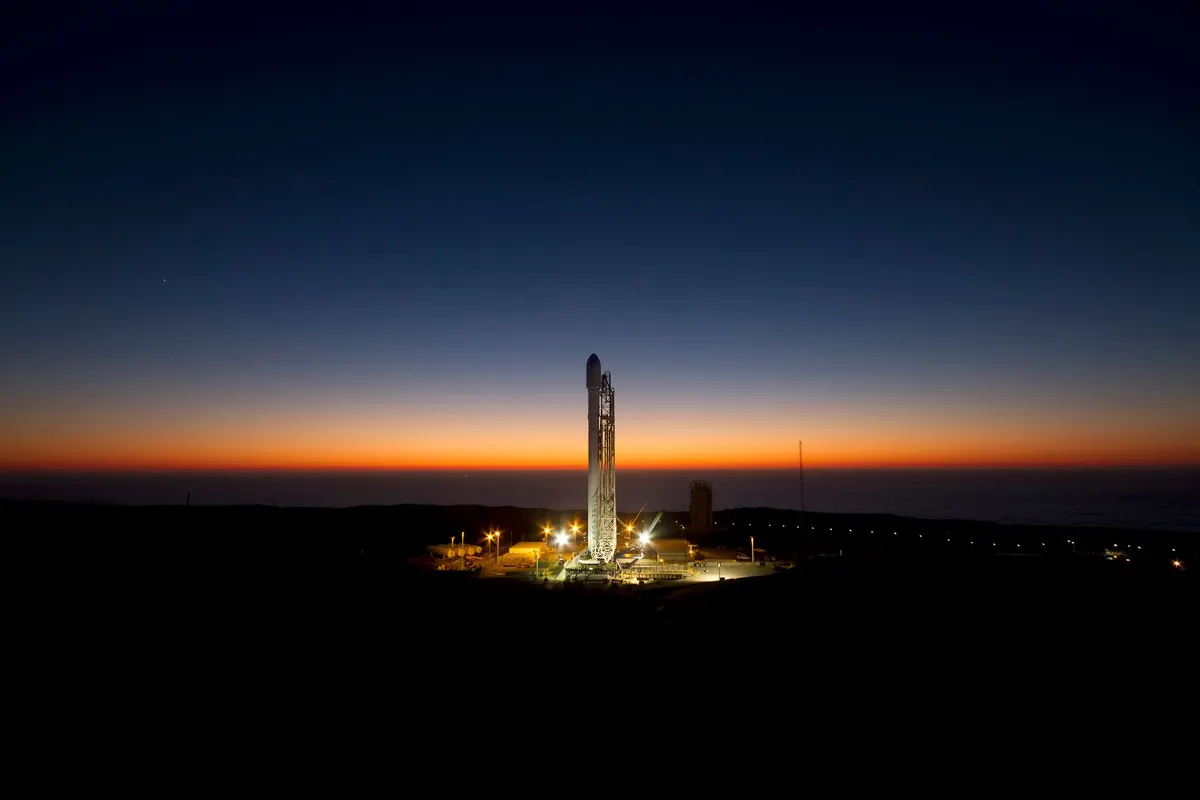
- SaxaVord, Unst, Shetland — the most developed of the vertical sites, on a headland at the very top of the UK. It holds spaceport and range licences from the Civil Aviation Authority, and is the site most likely to host a first orbital attempt from British soil.
- Sutherland Spaceport, A' Mhòine — on the north coast of the Scottish mainland, built around the Orbex Prime rocket. Remote, exposed, and closely watched by environmental regulators.
- Other proposals — North Uist, Machrihanish and Llanbedr in Wales have all been discussed at various stages. Treat any of these as a long way off until licensing and construction are visibly under way.
Horizontal launch sites
- Spaceport Cornwall, Newquay — host to the UK's first attempted orbital launch in January 2023, when a converted Virgin Orbit 747 released a LauncherOne rocket over the Atlantic. The rocket reached space but failed before orbit, and the company collapsed shortly afterwards. The spaceport's infrastructure remains, and the airport continues to host related work.
- Glasgow Prestwick — an airport-based proposal with long runways and established aviation infrastructure, pursued as a horizontal launch base. Licensing status is worth checking rather than assuming.
Who is actually launching, and when
The names to watch are mostly small European launch companies. Rocket Factory Augsburg, Orbex, Skyrora and HyImpulse have all been working towards flights from UK sites, and there is a wider field of firms hoping to follow. Pay attention to the word flight: some campaigns are suborbital tests that never reach orbit, and that is a normal part of getting to orbit.
Schedules slip. Constantly. A date announced months ahead is a target, not a commitment, and a date announced a week ahead still depends on weather, range readiness and the paperwork being signed. Watch for the moment a company moves from vague "planned" language to a specific launch window — that is when things get real.
How to follow a launch from home
- The launcher's own channels. Companies post updates on their own websites and social accounts, usually within hours of a decision. This is the primary source.
- The Civil Aviation Authority. The regulator publishes licensing decisions and consultations. If a site or a rocket gets a licence, that is a milestone rather than a press release.
- Aviation and maritime warnings. Notices to airmen (NOTAMs) and navigation warnings appear before a launch because airspace and sea areas have to be cleared. They're dry reading, but they show a date is genuinely locked in.
- Launch trackers and spaceflight news sites. Useful for a quick overview, though they tend to inherit the companies' optimism. Cross-check against the above.
- Local news, harbours and community pages. In Shetland and the far north, local radio and island Facebook groups often know about road closures and ferry disruption before anyone else.
What it's like on the ground
The three main sites could hardly be more different. Unst takes real effort: a ferry to Shetland, a drive north through Yell, then another ferry. Accommodation is scarce, especially in summer, and bookings for ferries and lodgings should be made well ahead. Weather changes fast; wind is the default setting.
Sutherland is single-track roads, passing places, deer at dusk, and midges from June to August. There is very little in the way of facilities, and the site sits on working crofting land, which means access is sensitive. Cornwall is the easy one — an airport with a road network and plenty of places to stay — but the launch itself happens over the sea and far from the pad, so what you see from shore may be an aircraft climbing and, later, a bright moving point of light. Check official guidance on viewing areas rather than assuming you can watch from a fence.
Wherever you go, plan for a scrub. Wind, cloud, technical problems and range issues all stop launches, and a first attempt is often delayed several times. Standing in horizontal rain for six hours is optional; having something else to do that day is not.
Planning a launch watch: a short checklist
- Set a threshold before you book anything. Wait until a licence and a launch window exist, and a date is within a few days.
- Check NOTAMs and navigation warnings the day before, not the week before.
- Book flexible travel and accommodation. In Shetland, ferry and flight availability shapes the whole trip.
- Build a backup itinerary — a coastline walk, a distillery, a museum. It will probably be the thing you actually end up doing.
- Ask locally about access. Tourist offices, harbours and community pages know where you can and cannot stand.
- Pack layers, waterproofs, a torch and some cash for small shops that don't take cards reliably.
One honest expectation to carry with you: the UK's launch industry is still young, and the first orbital success from these islands has not happened yet. Watching it arrive — from a cliff in Shetland or a sofa in Sheffield — is the appeal. Follow the licences, follow the warnings, and be ready for the date to move.
Photo: SpaceX / Pexels